


When did cork flooring become popular?
Jul 25, 2024
Leave a message
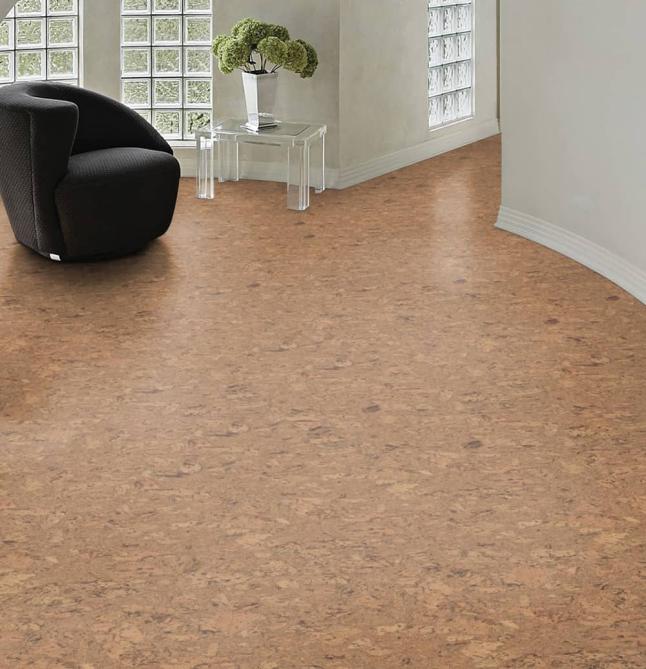
Cork flooring gained significant popularity in the early 20th century, particularly in the 1920s and 1930s. This period saw an increase in the use of cork as a flooring material, thanks to its unique properties such as warmth, comfort, sound insulation, and durability.
One notable milestone that contributed to its rise in popularity was its use in landmark buildings. For instance, the famous Library of Congress in Washington, D.C., installed cork flooring in the early 1930s, showcasing its practicality and aesthetic appeal for high-profile public spaces.
Cork's rise in popularity can also be attributed to the advancements in manufacturing techniques during this era, which allowed for more efficient processing and wider availability of cork products. Additionally, the endorsement of renowned architects and designers, who appreciated cork's functional and sustainable qualities, further propelled its acceptance in residential and commercial settings.
However, its popularity waned mid-century with the advent of cheaper, synthetic alternatives like linoleum and vinyl. But cork flooring experienced a resurgence in the late 20th and early 21st centuries, fueled by a renewed interest in eco-friendly and sustainable materials, as well as improvements in technology that enhanced cork's durability and design versatility. Today, cork flooring is once again a popular choice for those seeking a combination of comfort, sustainability, and design flexibility.