

Advantages of Cork Material: Benefits, Properties, Applications & Buying Guide
Sep 23, 2024
Leave a message
Advantages of Cork Material: Benefits, Properties, Applications & Buying Guide
Introduction: Why Cork Has Become a Popular Sustainable Material
Cork is a natural material that has been used for centuries because of its unique combination of sustainability, lightweight structure, durability, and versatility. Today, cork is no longer limited to traditional wine stoppers. It has become an important material for modern product development, including flooring, yoga accessories, packaging, home decoration, industrial components, and customized consumer products.
The growing demand for environmentally responsible materials has made cork increasingly attractive to manufacturers, designers, and global buyers. Unlike many synthetic materials, cork offers renewable sourcing, natural performance advantages, and a distinctive appearance that combines functionality with aesthetics.
Understanding the advantages of cork material can help businesses and consumers make better decisions when selecting sustainable materials for product development.
What Is Cork Material?
Cork is a natural material harvested from the bark of the cork oak tree (Quercus suber), mainly grown in Mediterranean regions such as Portugal, Spain, and parts of North Africa.
Unlike wood harvesting, cork harvesting does not require cutting down the tree. The outer bark is carefully removed every several years, allowing the tree to regenerate naturally throughout its lifetime.
The unique structure of cork comes from millions of microscopic air-filled cells. These cells contain a natural substance called suberin, which provides cork with its characteristic properties, including:
Lightweight structure
Elasticity
Water resistance
Thermal insulation
Sound absorption
Natural durability
These properties make cork a valuable alternative material for many industries.
Why Is Cork Considered a Sustainable Material?
1. Renewable and Environmentally Friendly Resource
One of the biggest advantages of cork material is its renewable nature.
Cork oak trees can be harvested repeatedly without being damaged. After the bark is removed, a new layer naturally grows back, allowing the same tree to produce cork for many decades.
This makes cork different from many traditional materials that require tree cutting or energy-intensive manufacturing processes.
For companies focusing on sustainable product development, cork provides an opportunity to reduce dependence on petroleum-based materials such as plastic and synthetic foam.
2. Low Environmental Impact Production
Cork production generally requires less processing compared with many artificial materials.
During manufacturing, cork can often be:
Cut
Molded
Pressed
Laminated
Combined with other materials
Its natural structure reduces the need for complex chemical processing.
For brands looking to improve their environmental image, cork products can support sustainability-focused product strategies.
Key Advantages and Properties of Cork Material
1. Lightweight and Easy to Handle
One of the most recognized advantages of cork is its extremely low density.
Because cork contains millions of tiny air pockets, it is significantly lighter than many conventional materials.
This lightweight feature makes cork suitable for products that require:
Easy transportation
Comfortable handling
Reduced product weight
Portable designs
Examples include:
Cork yoga blocks
Cork bags
Cork accessories
Packaging components
Decorative products
For international buyers, lightweight materials can also help reduce shipping costs, especially for large-volume orders.
2. Excellent Thermal Insulation Performance
Cork naturally provides excellent insulation because the trapped air inside its cellular structure slows down heat transfer.
This makes cork useful for applications requiring temperature protection.
Common examples include:
Flooring systems
Wall panels
Insulation boards
Coasters
Bottle accessories
In residential and commercial environments, cork can help create more comfortable indoor spaces by reducing temperature fluctuations.
3. Natural Sound Absorption Ability
Another important advantage of cork material is its ability to reduce noise.
The flexible cellular structure absorbs sound vibrations instead of reflecting them.
Because of this property, cork is often used in:
Acoustic panels
Office interiors
Music rooms
Flooring underlays
Wall coverings
For architects and designers, cork provides both functional performance and natural visual appeal.
4. Water and Moisture Resistance
Cork contains suberin, a naturally occurring wax-like substance that helps resist water penetration.
Although cork is not completely waterproof in every application, it provides excellent moisture resistance compared with many natural materials.
This makes cork suitable for environments such as:
Kitchens
Bathrooms
Outdoor accessories
Beverage products
Proper surface treatment and manufacturing methods can further improve moisture performance.
5. Durability and Long Service Life
Despite its soft and lightweight structure, cork is surprisingly durable.
Its elasticity allows it to recover after compression, helping products maintain their shape over time.
High-quality cork products can provide:
Resistance to daily wear
Long-term performance
Comfortable usage
Reduced replacement frequency
This durability makes cork suitable for products designed for repeated use.
Examples:
Cork flooring
Yoga accessories
Industrial gaskets
Furniture components
6. Natural Elasticity and Comfort
Cork has a unique combination of softness and resilience.
When compressed, cork can absorb pressure and gradually return to its original shape.
This property creates comfortable applications such as:
Yoga blocks
Exercise accessories
Insoles
Seat cushions
Ergonomic products
Compared with harder materials, cork provides a warmer and more comfortable user experience.
7. Unique Natural Appearance
Every piece of cork has a different natural texture because of variations in the tree bark structure.
Its appearance includes:
Natural grain patterns
Warm colors
Organic texture
This makes cork attractive for designers who want products with a natural and premium appearance.
Cork is widely used in:
Home decoration
Luxury packaging
Fashion accessories
Interior design products
8. Natural Antimicrobial Characteristics
Cork contains natural compounds that can help limit microbial growth.
This property makes cork attractive for applications where hygiene and cleanliness are important.
Potential applications include:
Food-related accessories
Household products
Personal-use products
However, actual antimicrobial performance depends on product design, treatment methods, and testing standards.
9. Easy Processing and Customization
Another important advantage of cork is manufacturing flexibility.
Cork can be processed through:
Cutting
Engraving
Laser marking
Compression molding
CNC machining
This allows manufacturers to create customized products with:
Different shapes
Sizes
Thicknesses
Surface finishes
Logos
For businesses looking for OEM cork products, cork provides excellent design possibilities.
Common Applications of Cork Products
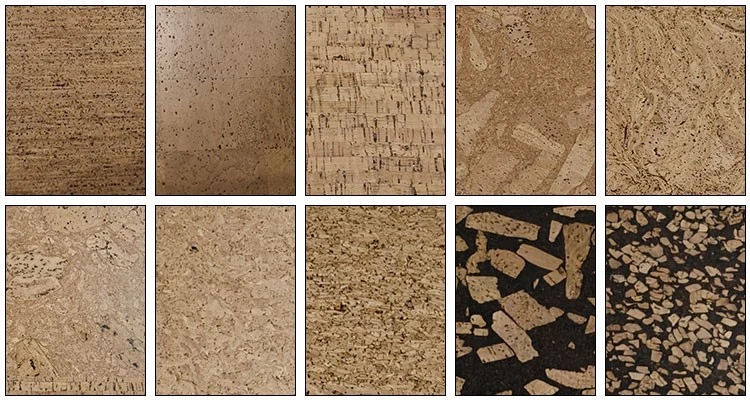
Cork Flooring
Cork flooring is popular because it combines:
Comfort
Insulation
Sustainability
Natural appearance
It is commonly used in:
Homes
Offices
Hotels
Commercial spaces
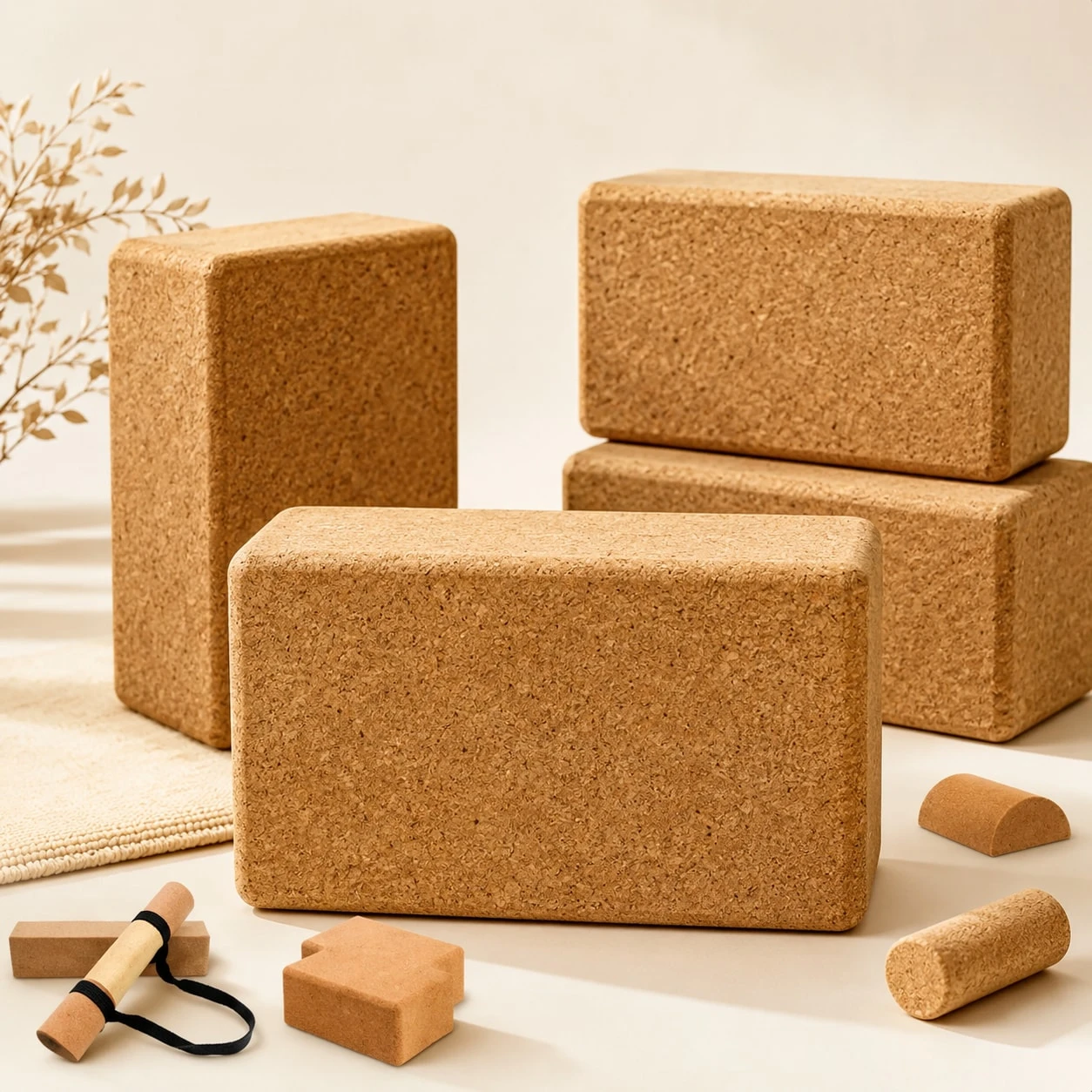
Cork Yoga Products
Because cork is lightweight, non-slip, and comfortable, it is widely used for:
Cork yoga blocks
Cork yoga mats
Cork rollers
Cork balance products
These products appeal to consumers seeking natural fitness equipment.

Cork Stoppers and Closures
Cork has traditionally been used for:
Wine stoppers
Bottle closures
Beverage packaging
Its elasticity and sealing ability make it suitable for closure applications.
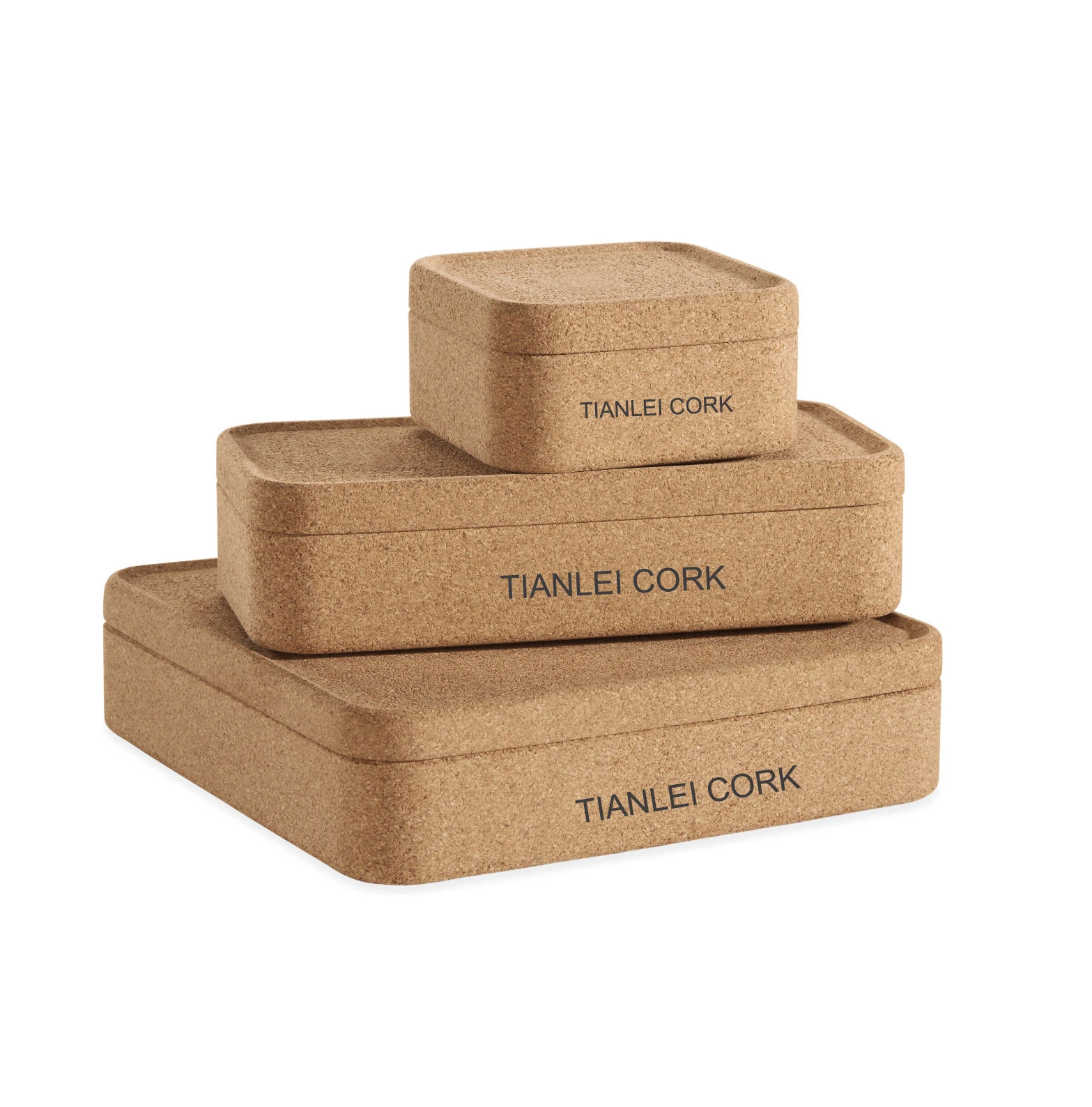
Cork Packaging Products
With increasing demand for sustainable packaging, cork is used for:
Gift packaging
Cosmetic packaging
Decorative packaging
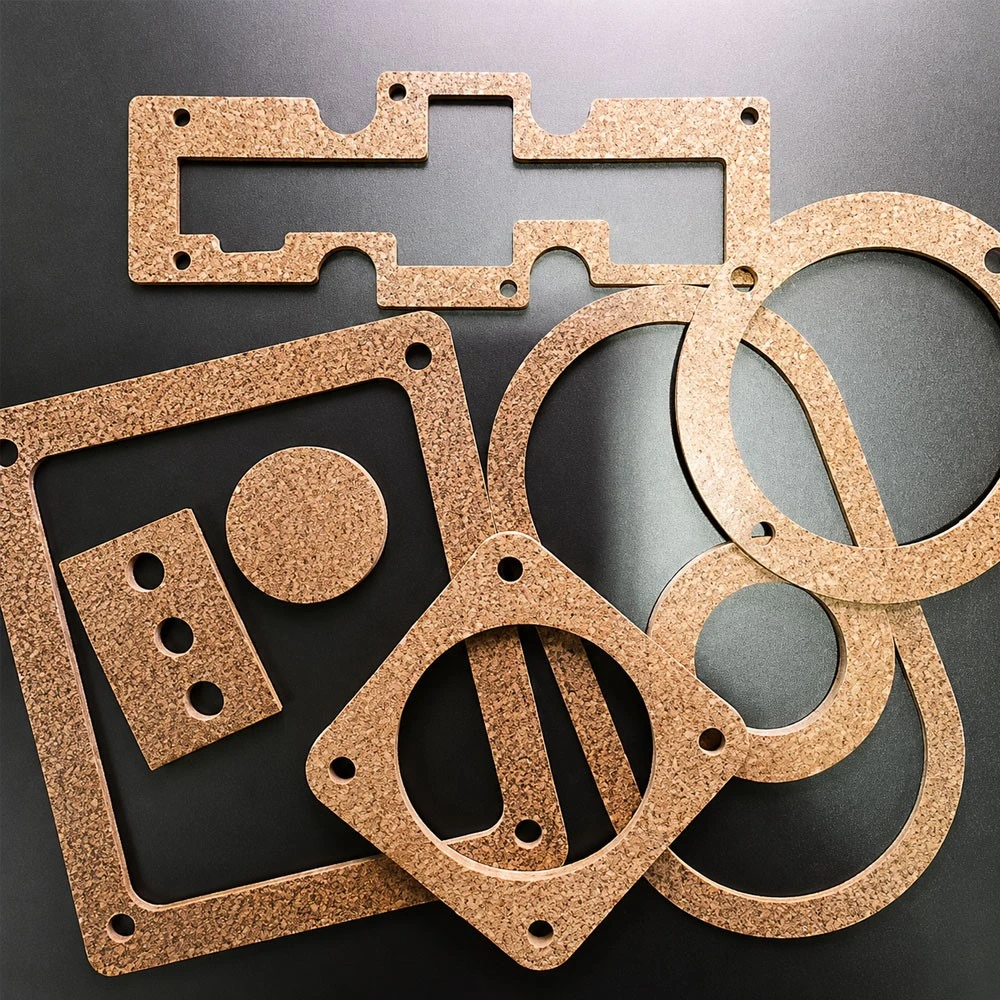
Industrial Cork Components
Cork can also be used in industrial applications such as:
Gaskets
Pads
Vibration control components
Insulation parts
Cork vs Other Materials: Why Choose Cork?
| Material | Cork Advantage |
|---|---|
| Plastic | More renewable and environmentally friendly |
| Rubber | Lighter and has a natural appearance |
| Wood | More elastic and moisture resistant |
| Foam | More sustainable and durable |
| Synthetic materials | Lower environmental impact |
How to Choose High-Quality Cork Products?
For businesses purchasing cork products, several factors should be considered.
Cork Density
Density affects:
Strength
Durability
Comfort
Application suitability
Different products require different density levels.
Material Quality
Check:
Cork grain consistency
Surface condition
Color uniformity
Foreign materials
Manufacturing Capability
A professional cork supplier should provide:
Stable production capacity
Quality inspection
Custom manufacturing
Packaging solutions
Customization Options
For OEM projects, buyers should confirm:
Custom sizes
Logo printing
Packaging design
Material combinations
Why Choose an Experienced Cork Manufacturer?
Working with an experienced cork manufacturer helps buyers reduce quality risks and improve product development efficiency.
A reliable supplier should have:
Professional cork processing experience
Export experience
Quality control procedures
Custom product capability
Consistent supply capacity
For companies developing new cork products, cooperation with a knowledgeable manufacturer can provide valuable technical support.
Frequently Asked Questions About Cork Material

01.What are the main advantages of cork material?
02.Is cork an environmentally friendly material?
03.Is cork waterproof?
04.How long do cork products last?
05.What products can be made from cork?
06.Why is cork lightweight?
07.Can cork be recycled?
08.Is cork better than plastic?
09.How is cork harvested?
10.Can cork products be customized?
Conclusion
Cork is more than a traditional natural material. Its combination of sustainability, lightweight structure, insulation ability, durability, comfort, and design flexibility makes it an excellent choice for modern product development.
As global demand for environmentally responsible materials continues to grow, cork provides businesses with a practical solution for creating products that balance performance, aesthetics, and sustainability.
For companies searching for reliable cork solutions, understanding cork properties and choosing an experienced manufacturer are essential steps toward successful product development.